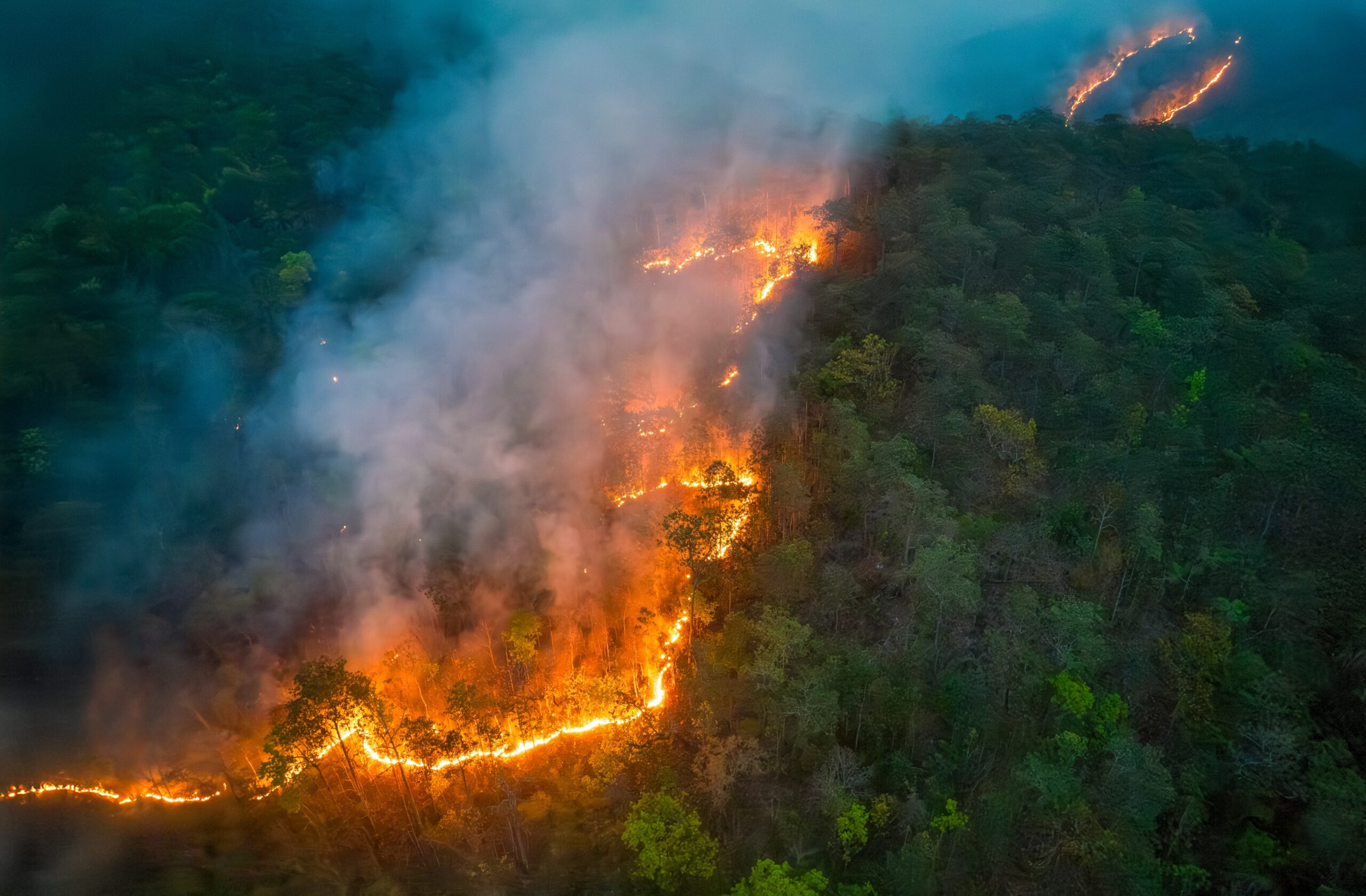
On October 28, 2026, a fire at the U.S. Department of Energy’s Savannah River Nuclear Facility near Aiken, South Carolina triggered a Site Area Emergency. Although no contamination was reported, companies operating in the area could nonetheless still incur losses, such as disruptions to business operations and perceived contamination of products. It is important for all impacted companies to assess any direct and indirect losses and determine if they have any insurance to cover such losses.
1. Look Beyond Physical Damage: Business Interruption and Civil Authority
Losses covered by insurance may or may not involve actual damage to facilities, equipment or product. Many businesses with no damage at all can still lose income when a nuclear site goes into emergency status. Site access restrictions, shelter-in-place orders, road closures, and airspace restrictions can halt deliveries, idle workforces, and shut down operations at contractors and nearby businesses. Impacted companies should evaluate:
- Civil authority coverage, which may respond when a government order prohibits access to the insured’s premises because of damage to nearby property;
- Ingress/egress coverage, where access is physically impeded even without a formal order;
- Contingent business interruption coverage, where a key customer or supplier suffers a loss; and
- Extra expense coverage for the costs of relocating, rerouting, or continuing operations.
Each of these coverages carries its own triggers, waiting periods, radius limits, and duration caps, and insurers frequently dispute whether the required “physical loss or damage” occurred. Careful documentation from day one is essential.
2. Expect Insurers to Point to Nuclear Exclusions in Policies
Many commercial liability policies (CGL) contain a nuclear energy exclusion. These exclusions often target the following situations: where the policyholder is also covered by a specialized nuclear energy liability policy; where federal financial protection or government indemnity applies; and where the injury or damage arises from nuclear material at, or services furnished to, a nuclear facility. Whether the exclusion actually bars a particular claim turns on the specific facts and exact insurance policy language.
Property policies can be different, and here the details matter. Some policies exclude nuclear and radioactive contamination losses but restore coverage for damage caused by a resulting fire, so when the triggering event is a fire, the precise wording can decide if there is coverage under a policy.
3. Practical Steps for Policyholders Now
- Give prompt notice under every potentially applicable policy, including CGL, property, pollution, professional, and excess lines, even if coverage seems uncertain. Late notice can lead to coverage forfeiture.
- Read the policies, particularly the exclusions, closely rather than accepting an insurer denial at face value. Identify exceptions, such as the ensuing fire exception, and definitional limits, such as “nuclear facility” and “nuclear material.”
- Document everything: closures, government orders, lost revenue, extra costs, and communications with site operators and authorities.
- Engage insurance coverage counsel early, before positions harden and before reservation-of-rights letters set the terms of the dispute.
The Bottom Line
Nuclear incidents are rare, but when they occur the interaction between nuclear exclusions, specialized nuclear insurance, and standard commercial policies is complex, and insurers will use that complexity to their advantage. Businesses connected to the Savannah River Site or other nuclear facilities should take stock of their coverage now.
If your business has been affected by the Savannah River Site emergency or wants to evaluate its exposure to nuclear and radiological risk, Miller Friel offers specialized expertise to help.
Related Posts